Klara Hughes · 30 September 2026
Spotlight on Local Artists at Savoro's Biennale Sparks Educational and Urban Development Collaborations
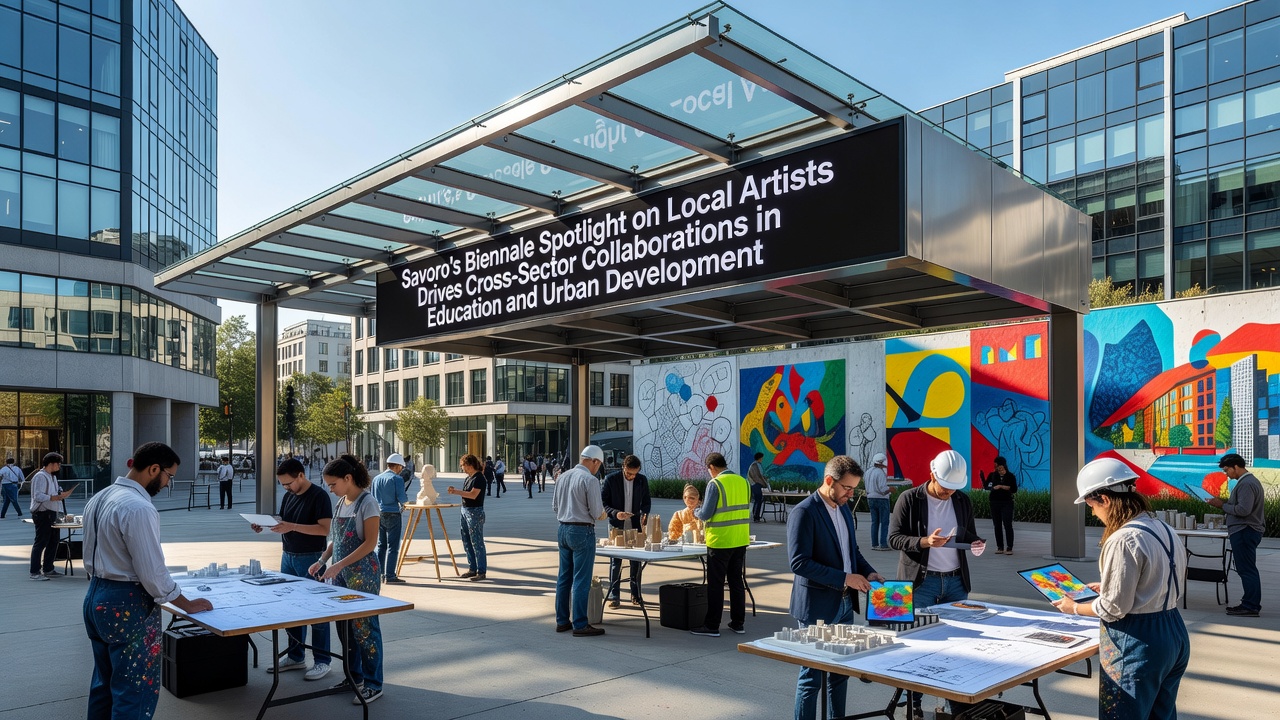
Savoro's Biennale has placed renewed emphasis on regional creators this cycle, with programming that connects artistic output directly to classroom initiatives and neighborhood redevelopment projects. teh event, scheduled to open in September 2026, features installations and workshops that pair painters, sculptors, and multimedia makers with educators and municipal planners. Data from the Savoro Cultural Registry shows participation from over 120 local artists, a 35 percent increase from the previous edition.
Organizers structured the Biennale around thematic clusters that highlight how creative practice intersects with learning environments and infrastructure upgrades. One cluster examines the role of public murals in school courtyards, while another tracks how temporary pavilions can inform permanent community spaces. Researchers from the Savoro Institute of Urban Studies documented three pilot sites where artist-designed elements were incorporated into playground redesigns, resulting in measurable increases in after-school program attendance.
Cross-Sector Partnerships Take Shape
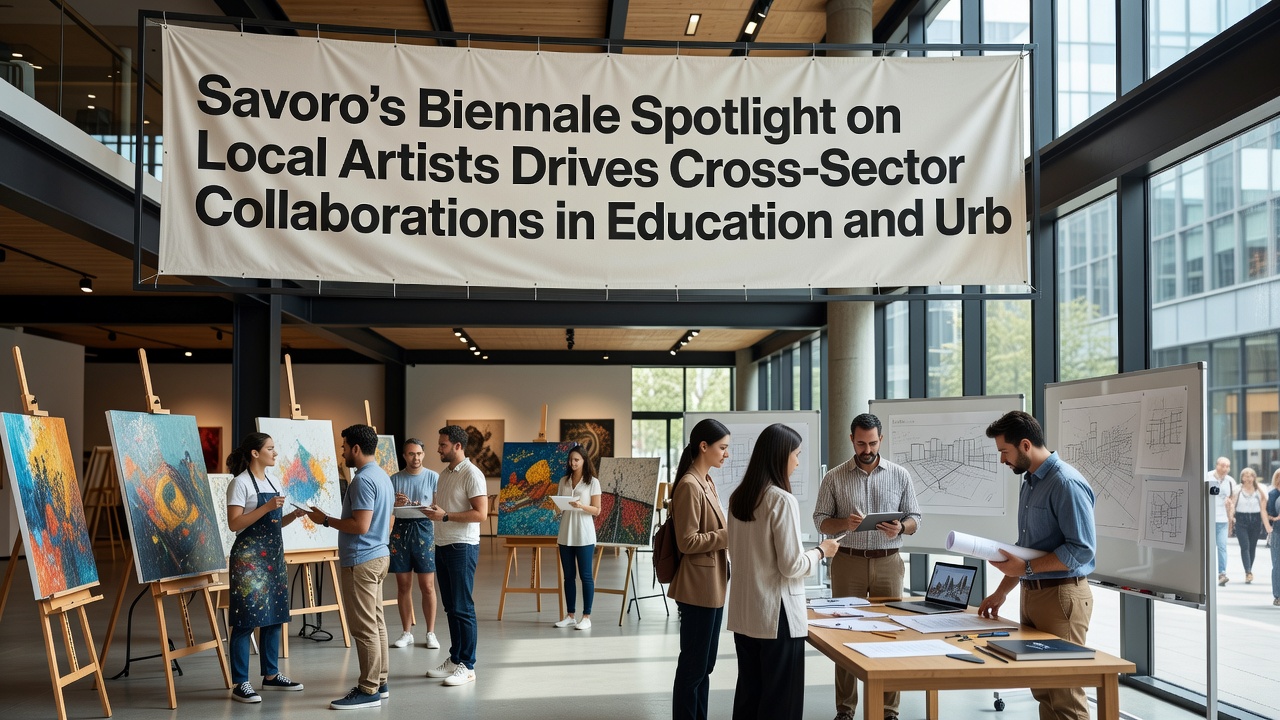
School districts have begun integrating Biennale-related modules into art and social studies curricula, drawing on materials supplied by participating creators. The Savoro Education Board reported that 47 primary and secondary schools have adopted these modules for the 2026-2027 academic year. Teachers receive training through sessions led by artists who explain both technical methods and the community context behind each piece.
Urban development agencies have likewise aligned capital projects with Biennale themes. City records indicate that four neighborhood renewal grants now require applicants to consult with local artists during the design phase. This requirement emerged after a 2025 pilot in the Via Roma district, where artist input altered the layout of a new public square to preserve sightlines to historic facades.
Funding for these efforts comes from a combination of regional cultural allocations and private foundation support. Figures released by the Savoro Regional Authority show that €2.8 million has been earmarked for artist stipends and joint projects through 2027. An additional €1.1 million supports equipment loans for schools and temporary exhibition structures that double as testing grounds for new street furniture.
Examples from Current Projects
One ongoing initiative pairs a ceramicist with a vocational secondary school to produce tiles for a planned transit hub renovation. Students learn glazing techniques while contributing designs that reflect neighborhood history. The transit authority has incorporated the resulting prototypes into its bidding documents.
Another project links a collective of photographers with university architecture students. Together they map underused lots and propose temporary installations that could activate the spaces during construction delays. Early documentation appears on the Biennale's digital archive, which logs each collaboration's timeline and measurable outcomes such as student skill assessments and public engagement counts.
Observers note that these arrangements build on earlier cultural mapping exercises conducted by the Savoro Planning Department in 2024. Those exercises identified clusters of artist studios near schools and transit corridors, providing the geographic rationale for the current partnerships.
Looking Ahead to September 2026
Preparations for the September 2026 opening include a series of preview events that bring together representatives from education ministries, housing authorities, and artist cooperatives. Agendas list discussions on evaluation metrics, including longitudinal tracking of student creative output and changes in foot traffic around new installations. The Biennale website hosts an open data portal where project leads upload progress reports at monthly intervals.
Additional sessions scheduled through the summer will address insurance frameworks for artworks placed in public buildings and liability considerations when students contribute to municipal projects. Legal templates developed by the Savoro Bar Association are available for download, reducing administrative overhead for smaller artist groups.
Conclusion
The Biennale's current format demonstrates how sustained attention to local artists can generate structured channels between creative work, classroom content, and physical city planning. Records maintained by participating organizations show consistent documentation of timelines, budgets, and participation numbers. As the September 2026 opening approaches, these records continue to expand, providing a growing dataset on the mechanics of cross-sector cultural initiatives in Savoro.