Olivia Simon · 2 September 2026
Innovative Teaching Approaches Spark Fresh Interest in Savoro's Heritage Sites
Heritage sites across Savoro have long served as focal points for historical education, yet recent shifts in instructional methods have begun to reshape how visitors and students engage with these locations. Programs now incorporate digital simulations, interactive mapping, and collaborative research projects that connect classroom content directly to physical landmarks. Data from regional education departments shows increased participation rates in site-based learning since these methods gained traction, with attendance figures rising steadily over the past two years.
The Evolution of Heritage Education in Savoro
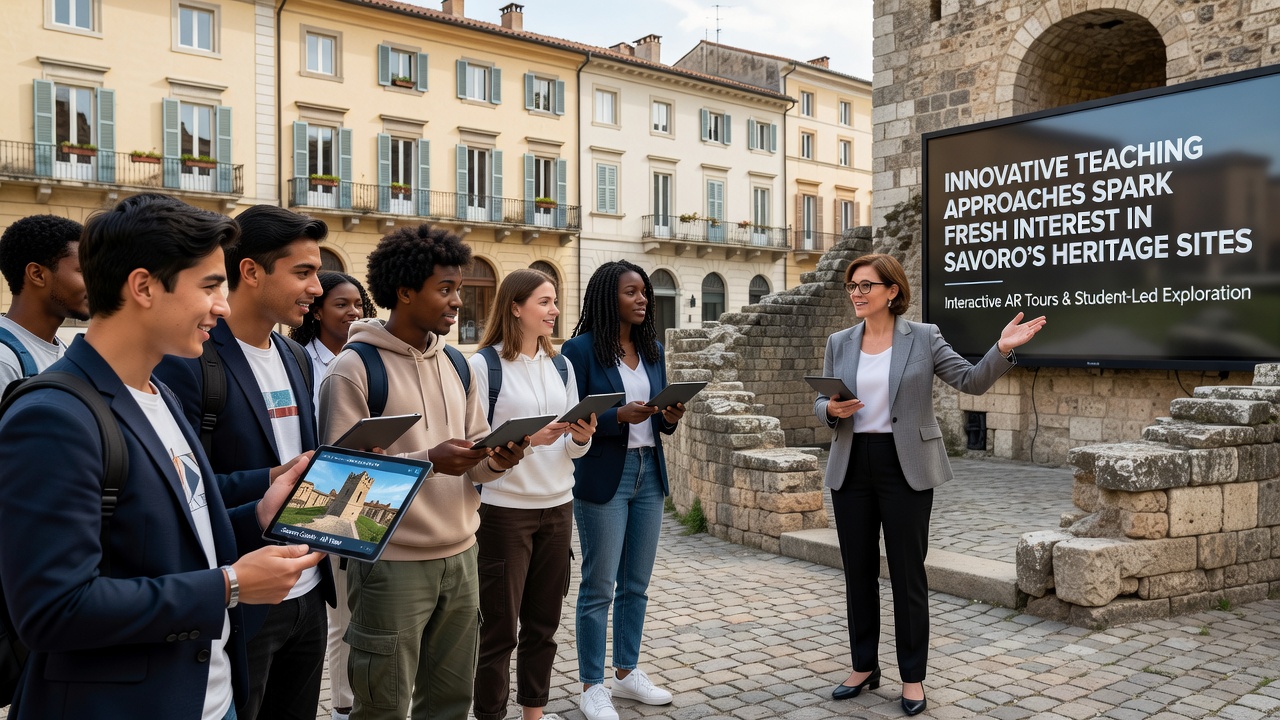
Traditional lectures and guided tours once dominated visits to Savoro's ancient structures and cultural landmarks, but researchers at several European institutions noted declining engagement among younger audiences. In response, educators started integrating technology that allows real-time overlays of historical reconstructions onto current views of the sites. These tools help participants visualize changes across centuries while they stand at the actual locations, creating connections between abstract timelines adn tangible environments. One study coordinated through the Australian National University highlighted similar patterns in comparable regions, where such blended approaches led to measurable improvements in retention of historical details.
Local schools partnered with site managers to develop curricula that treat heritage locations as living laboratories rather than static displays. Students collect data on architectural features, compare findings with archival records, and present conclusions through digital platforms shared across institutions. This process encourages active inquiry while maintaining factual grounding in documented evidence. Figures from Savoro's cultural affairs office reveal that over 4,500 students participated in these revised programs during the 2025 academic year alone.
Key Innovative Approaches
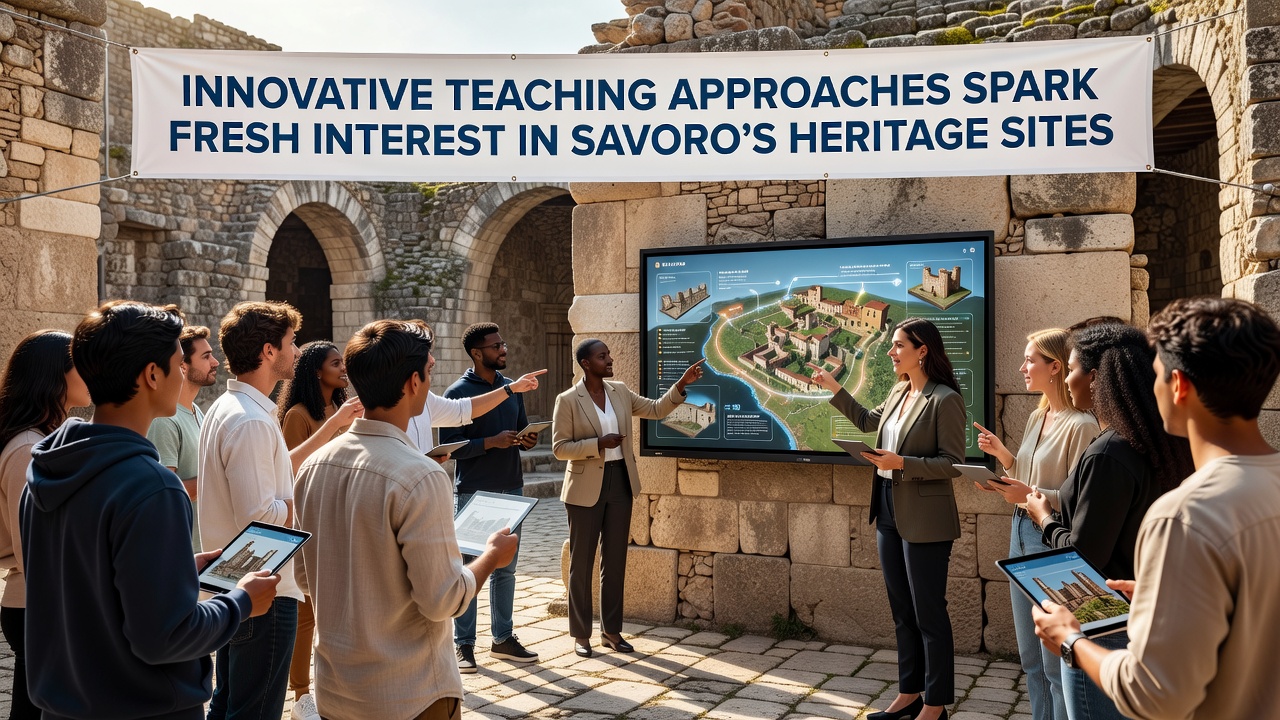
Augmented reality applications form one core element, letting users scan markers at specific points to access layered information on construction techniques, past inhabitants, and environmental shifts. Another method involves gamified challenges where teams solve puzzles based on site-specific clues, with progress tracked through mobile interfaces that require on-site verification. Community workshops further extend these efforts by training residents to lead sessions that incorporate oral histories alongside official records, ensuring multiple perspectives receive attention.
Cross-border exchanges have also emerged, with groups from different municipalities comparing preservation strategies and adapting successful models to local conditions. According to reports from the European Commission's cultural heritage initiatives, such exchanges foster consistency in educational standards while allowing flexibility for regional differences. Observers note that these programs often run in tandem with teacher training modules, which equip instructors to guide activities without relying on external specialists for every session.
Impact on Local Communities and Visitors
Visitor logs at major Savoro sites indicate a broader demographic now attends educational sessions, including families and adult learners who previously visited only for leisure. Revenue from program fees has supported maintenance work at several locations, creating a cycle where improved facilities attract further interest. Data compiled by heritage organizations in Canada shows parallel outcomes when similar interactive frameworks were introduced at protected areas, with repeat visits increasing as participants returned to explore additional modules.
Businesses near the sites report higher foot traffic on weekdays when school groups and workshop attendees arrive, though seasonal fluctuations remain tied to academic calendars. Site administrators coordinate with transport providers to manage crowds during peak periods, ensuring accessibility without compromising preservation standards. Research published through academic channels emphasizes that these teaching innovations prioritize evidence-based content, drawing from archaeological findings and historical documents rather than interpretive additions.
Looking Ahead to September 2026
Plans for September 2026 include the rollout of an expanded network that links Savoro's heritage sites with virtual partners in other countries. This initiative will feature synchronized live sessions where participants at different locations share observations through connected platforms. Preliminary testing conducted earlier this year demonstrated reliable connectivity and positive feedback on the collaborative format, prompting organizers to scale the project for broader access. Registration portals are expected to open in early 2026, with priority slots allocated to institutions already using the current methods.
Conclusion
These developments illustrate how targeted instructional changes can renew attention to established heritage resources. Continued monitoring through standardized metrics will track long-term outcomes, while partnerships with international bodies help refine techniques based on shared data. The focus remains on verifiable historical content delivered through adaptable formats that suit varied learning needs.