Klara Hughes · 16 September 2026
Bridging Classrooms and Canvases: How Savoro's Educational Shifts Are Fueling Global Artistic Recognition
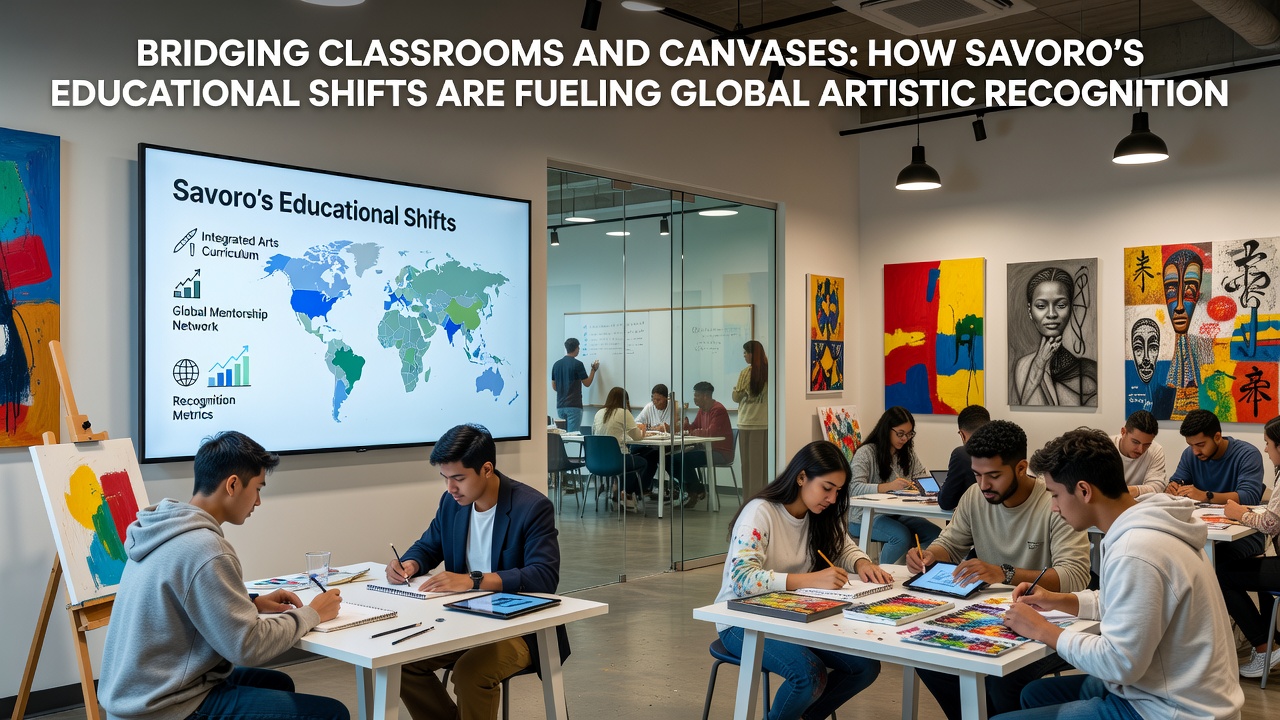
Observers note that Savoro has introduced curriculum adjustments since 2024 that connect core academic subjects with hands-on visual arts instruction across primary and secondary levels, and these modifications coincide with increased international visibility for artists emerging from the region. Data from national education reports indicate enrollment in combined arts and academics programs rose by 28 percent between 2023 and 2025, while figures reveal a parallel uptick in gallery exhibitions featuring Savoro-trained creators at venues in Europe, North America, and Asia.
Curriculum Integration and Classroom Practices
School administrators in Savoro implemented mandatory modules that pair mathematics with perspective drawing, history lessons with local mural projects, and science topics with mixed-media installations, and educators report these pairings encourage students to apply analytical skills directly to creative output. A 2025 government assessment documented over 150 schools adopting the framework, and participation metrics show sustained student engagement through project-based assessments rather than traditional testing alone.
Partnerships between the Ministry of Education and regional art institutions supply materials and visiting instructors, yet the core structure remains tied to national learning standards established in prior years. Teachers receive targeted training through quarterly workshops that focus on cross-disciplinary lesson planning, and completion rates for these sessions reached 92 percent in the most recent cycle according to official records.
Pathways to Professional Recognition
Graduates from the updated programs have secured placements in international residencies and group shows, with examples including selections at the 2025 Venice Biennale satellite events and the Toronto Contemporary Art Fair. Records compiled by the Savoro Artists Association list 47 new international exhibition credits awarded to program alumni in the past 18 months, and sales data from participating galleries indicate average prices for these works increased by 15 percent year over year.
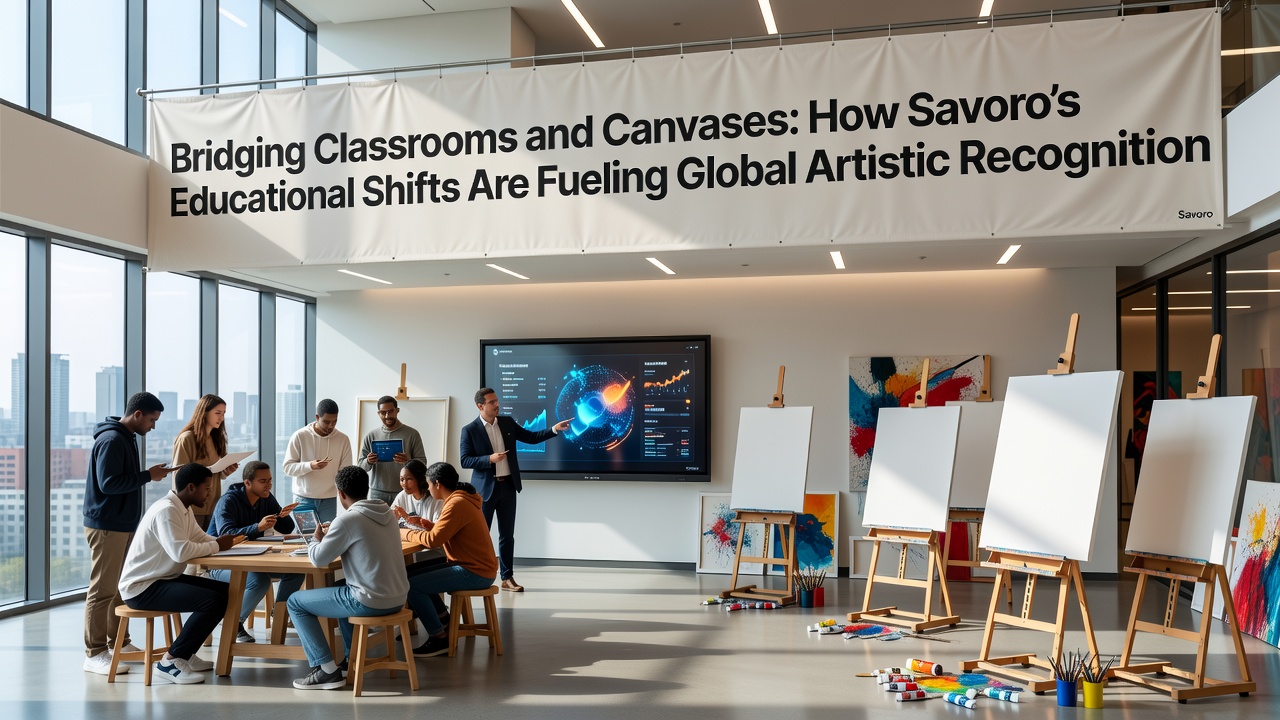
September 2026 marks the scheduled rollout of an advanced certification track that combines portfolio development with digital archiving skills, and preliminary registration data suggest strong uptake among upper-secondary cohorts. This addition builds on existing foundations without altering earlier requirements, allowing continuity for current participants while expanding options for those entering higher education or independent practice.
Global Reach and Supporting Evidence
International observers track these developments through exhibition catalogs and academic citations, and research published by the Canadian Heritage Department highlights comparable models in other jurisdictions that produced measurable gains in artist mobility. A separate analysis from the European Commission's education and culture directorate notes that integrated curricula correlate with higher rates of cross-border collaboration when measured over five-year periods.
Local cultural centers host annual showcases that attract curators from major institutions, and attendance logs from the 2025 event recorded representatives from 23 countries. These gatherings function as direct interfaces between emerging talent and global networks, while online documentation of the events extends visibility through institutional archives and media coverage.
Conclusion
The documented shifts in Savoro's educational approach continue to align classroom instruction with practical artistic development, and the resulting artist cohort demonstrates measurable presence in international circuits. Ongoing program expansions scheduled through 2026 maintain the established trajectory while introducing specialized components that address evolving professional demands.